“What matters is not adding more years to life, but adding more life to the years.”
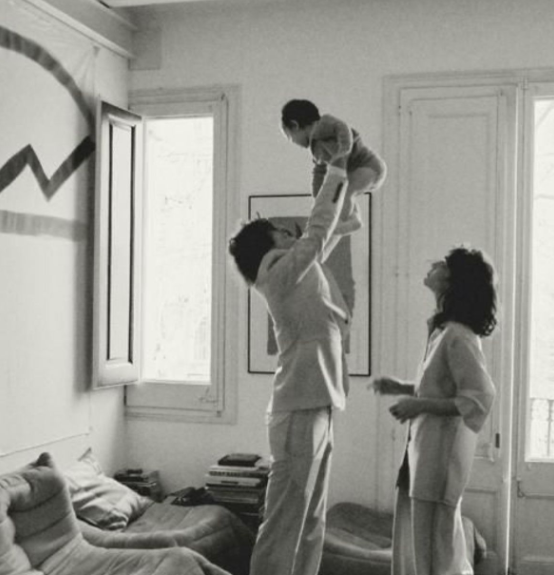
Having a child changes more than everyday life. It can change how a person sees themselves, their relationships and the life they have built.
Many people enter parenthood after years of becoming independent and capable adults. They have developed careers, routines and a strong sense of who they are. Then a baby arrives—and even the most competent person can feel inexperienced, uncertain and vulnerable again.
Nothing has gone wrong. Feeling uncertain is part of stepping into a role that cannot be fully understood in advance.
Your identity is expanding
Before parenthood, many adults are used to solving problems through knowledge, preparation and control. Becoming a parent introduces questions without clear or immediate answers—and can make even a capable person feel like a beginner again.
Why is the baby not sleeping? Am I responding in the right way? Which advice should I trust? Why does something that appears easy for others feel so difficult for me?
Not everything can be mastered from the beginning. Sometimes the most responsible thing a person can do is remain curious, ask for help and allow themselves to learn.
Vulnerability is not the opposite of capability. It is often where growth begins.
Parenthood changes identity, but it does not need to replace it.
Being a mother or father can be deeply meaningful without becoming the only way a person is seen—or the only way they see themselves. A parent is still a partner, a friend, a professional and an individual with interests, needs and ambitions of their own.
The person you were before becoming a parent has not disappeared. Staying connected to that identity is not selfish; it can help you approach parenthood with greater stability and presence. Your identity is not being erased. It is expanding.
Both parents are becoming
The experience may differ, particularly during pregnancy, birth and recovery. But both parents are adjusting to new responsibilities, a changing relationship and a different understanding of themselves.
Both deserve to be part of conversations about parenthood—not merely as helpers or supporting characters, but as individuals experiencing their own transition.
Parenthood is shaped by how responsibility, care and mental load are shared—and by whether both parents have space to remain recognisable to themselves and to one another.
Where DUO begins
DUO is being created for adults who enter parenthood and find themselves vulnerable beginners again—without wanting to lose the people they already are.
It is a platform for both parents: a place that brings trusted knowledge, lived experience and thoughtfully selected services and products together, so everyday parenting decisions can feel clearer and calmer.
DUO celebrates parenthood without idealising it. It recognises its joy, humour and meaning while remaining honest about uncertainty, mental load and change. It does not suggest that there is one right way to be a parent. Instead, it offers orientation and gives parents the confidence to make decisions that feel right for them—faster and more calmly, so they can be more present for what truly matters.